



Caring for the oral health of a child with special needs can present unique challenges. From encouraging consistent brushing and flossing habits to helping your child feel comfortable during routine dental visits, maintaining a healthy smile may require extra patience and support. The good news is that there are simple strategies that can make daily oral care easier. Here are three oral hygiene tips from a pediatric dentist to help improve children with special needs, at-home oral hygiene routine and support a lifetime of healthy smiles.
Children often learn best by watching the people around them. Instead of having your child complete their oral hygiene routine alone, make brushing and flossing a family activity. Brushing together each morning and evening helps establish a consistent routine while showing your child that taking care of their teeth is an important part of everyday life.
To make oral care more enjoyable, consider playing your child’s favorite music, using a timer, or turning brushing into a fun game. Giving your child a choice of toothbrush, toothpaste flavor, or floss can also help them feel more involved and make the routine something they look forward to each day.
Not every child enjoys the taste or texture of traditional mint toothpaste. Fortunately, there are many kid-friendly options available in a variety of flavors, colors, and textures that can make brushing a more positive experience.
If your child is reluctant to brush because they dislike their toothpaste, let them help choose one they enjoy. Giving them a sense of control can make daily brushing feel less like a chore and more like a routine they look forward to. The more consistently they brush, the better protected their teeth will be from plaque buildup and cavities.
Facial and Jaw Developments are ongoing throughout the Teen Years
Many parents are surprised to learn that oral development continues well after the baby teeth are gone. Throughout adolescence, the jaw and facial bones are still growing, which can influence bite alignment, tooth spacing, jaw position, and overall facial development.
Regular dental visits allow these changes to be monitored over time. Pediatric dentists are specially trained to track healthy growth, recognize developing concerns early, and recommend treatment when needed to help prevent more complex problems in the future.
Daily brushing and flossing are important, but regular dental checkups and professional cleanings are just as essential for protecting your child’s oral health.
A pediatric dentist with experience caring for children with special needs can make dental visits more comfortable and less stressful. These dental teams understand how to adapt their approach to meet your child’s unique needs, creating a welcoming environment where they feel safe, supported, and at ease. They can also recommend personalized strategies, tools, and techniques to make oral care at home easier and more successful.
Every child deserves a healthy, confident smile. With compassionate dental care and a consistent at-home routine, you can help your child maintain strong teeth and healthy gums for years to come.
Check out this article on how to plan a trip to the dentist for your autistic child.
Maintaining a healthy smile for your special needs child may require extra patience and support, but it’s worth it in the long run.
Looking for a dentist for your teenager? Click here or call us: 702-586-4347
Call us and schedule your child’s appointment today: (702)586-4347
When my child is sick, can it affect their oral health
When your child isn’t feeling well, your attention is right...
Read MoreAre dental x-rays safe for my child?
Are dental x-rays safe for my child? The most common...
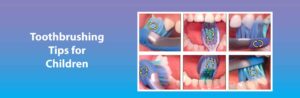
Read MoreToothbrushing tips for children
Techniques for brushing kids teeth Baby teeth play a crucial...
Read More