


Why Monitoring Your Child’s Growth Matters
A child’s teeth, jaws, and bite change significantly throughout childhood. From the eruption of the first baby teeth to the development of permanent teeth, each stage of children’s dental development plays an important role in creating a healthy, functional smile.
Because dental development happens gradually, parents may not always notice when something is progressing differently than expected. Regular visits with a pediatric dentist allow your child’s teeth and jaws to be monitored as they grow, making it easier to identify potential concerns early and provide guidance when needed.
What Is Dental Development in Children?
Dental development refers to the ongoing process through which a child’s baby teeth and permanent teeth form, erupt, and move into position while the jaws and surrounding facial structures grow.
Baby teeth typically begin appearing during infancy. These primary teeth help children chew, speak, and maintain space for permanent teeth developing beneath the gums. As children grow, their jaws become larger, permanent teeth begin to erupt, and the bite gradually changes.
Regular pediatric dental examinations allow your child’s dentist to monitor these changes and make sure development is progressing appropriately.
Why Is Monitoring Children’s Dental Development Important?
Some dental concerns can develop without causing pain or obvious symptoms. Crowding, delayed tooth eruption, spacing problems, and bite abnormalities may not be noticeable to parents at first, but monitoring can help identify these issues before they become more complicated.
During routine dental visits, a pediatric dentist can evaluate your child’s tooth eruption, spacing, bite, jaw growth, and overall oral health. If a concern is identified, the dentist can determine whether it should simply be monitored or whether early intervention may be beneficial.
Baby Teeth and Spacing
Parents are sometimes concerned when they notice gaps between their child’s baby teeth. However, spacing between primary teeth is often a normal and beneficial part of dental development.
Permanent teeth are generally larger than baby teeth, so having adequate space between primary teeth can help accommodate the larger adult teeth when they eventually erupt. Limited space between baby teeth may increase the likelihood of crowding as permanent teeth emerge.
Your pediatric dentist can monitor spacing throughout childhood and help determine whether your child’s developing smile is progressing normally.
Monitoring Tooth Eruption
Tooth eruption is another important part of pediatric dental development. Children do not all lose baby teeth and develop permanent teeth at exactly the same age, but the general sequence and timing of eruption provide useful information about how a child’s smile is developing.
If a tooth appears significantly earlier or later than expected, your pediatric dentist may recommend closer observation or additional evaluation. Monitoring eruption patterns can help identify concerns involving the development or positioning of permanent teeth.
How Childhood Habits Can Affect Dental Development
Certain oral habits may influence the position of the teeth or the development of the jaws. Depending on the child and the duration of the habit, these may include:
- Thumb or finger sucking
- Prolonged pacifier use
- Certain tongue-posture patterns
- Mouth breathing
These habits do not automatically mean a child will develop dental problems. However, a pediatric dentist can monitor their potential effects on tooth position and jaw growth and provide parents with appropriate guidance.
Jaw Growth and Bite Development
The jaws continue growing throughout childhood and adolescence, making jaw development in children an important part of routine pediatric dental care.
As the upper and lower jaws grow, the relationship between them can change. Pediatric dentists monitor the developing bite for concerns such as:
- Overbites
- Underbites
- Crossbites
- Open bites
- Crowding
- Significant spacing
Identifying bite concerns while a child is still growing may provide an opportunity for early orthodontic evaluation or other guidance when appropriate.
The Role of X-Rays in Dental Development
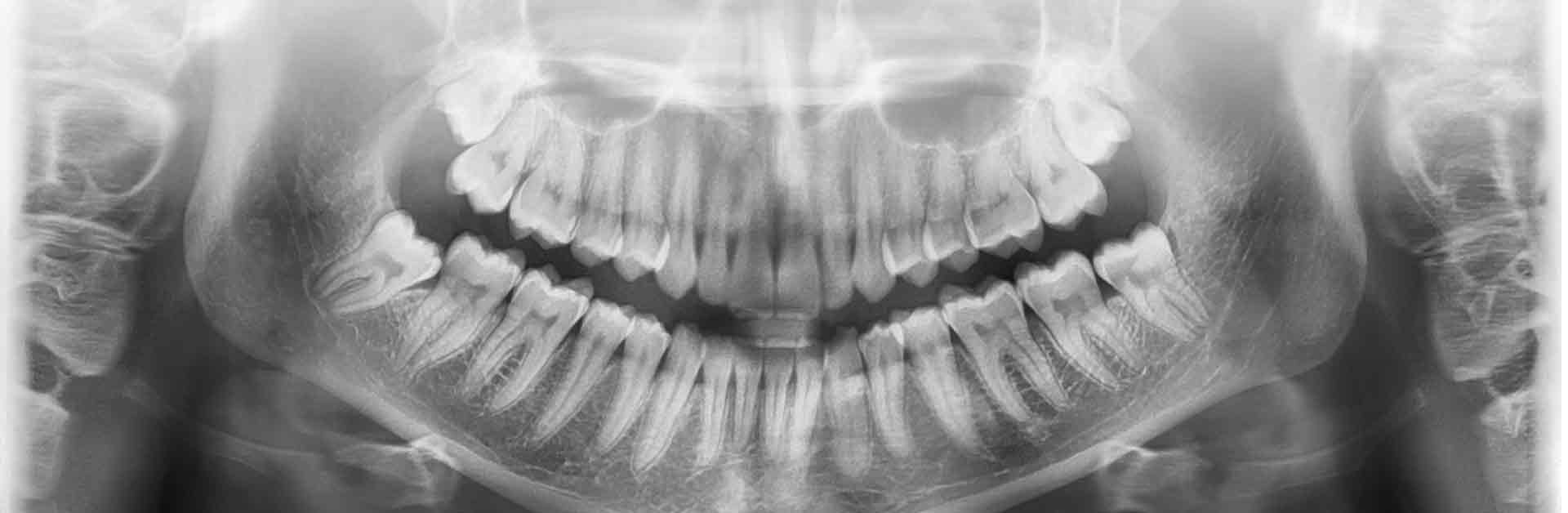
Some aspects of children’s dental development cannot be evaluated through a visual examination alone. Dental X-rays can provide information about permanent teeth that are still developing beneath the gums.
When clinically appropriate, X-rays may help a pediatric dentist evaluate tooth development and eruption and identify concerns such as missing teeth or unusual eruption patterns.
Your child’s pediatric dentist will determine when dental X-rays are appropriate based on your child’s age, dental development, oral health, and individual needs.
Early Orthodontic Evaluation for Children
Monitoring dental development does not mean that every child will need braces or orthodontic treatment. Instead, regular observation allows a pediatric dentist to recognize developing concerns and determine whether an early orthodontic evaluation may be appropriate.
In some cases, early guidance can help address a developing problem while the teeth and jaws are still growing. In other situations, the best approach may simply be to continue monitoring the child until the appropriate time for treatment.
The goal is to provide the right care at the right stage of development.
How Parents Can Support Healthy Dental Development
Parents play an important role in maintaining their child’s oral health. Good daily habits help keep baby teeth and permanent teeth healthy throughout the various stages of dental development.
Parents can support healthy teeth and gums by:
- Helping children brush twice a day with fluoride toothpaste
- Flossing between teeth that touch
- Offering a balanced diet
- Limiting frequent sugary snacks and drinks
- Encouraging children to drink water
- Scheduling regular pediatric dental checkups
- Following their dentist’s recommendations for preventive care
Healthy baby teeth provide important support while permanent teeth develop and erupt.
When Should a Child See a Pediatric Dentist?
The American Academy of Pediatric Dentistry recommends that children establish a dental home by their first birthday. Early and regular dental visits allow pediatric dentists to monitor oral health and development from an early age.
Routine appointments provide an opportunity to track changes in tooth eruption, spacing, bite development, and jaw growth over time. They also allow parents to ask questions about what they are seeing at home.
Every Child’s Dental Development Is Different
There is no single timeline that perfectly describes every child’s dental development. Children grow and develop at different rates, which is why individualized monitoring is so important.
Some children may simply need routine examinations and preventive care. Others may benefit from closer observation, additional imaging, or an orthodontic evaluation. Your pediatric dentist can help determine what is appropriate based on your child’s individual development.
Supporting a Healthy Smile as Your Child Grows
Children’s dental development is an ongoing process that begins before the first tooth appears and continues throughout childhood and adolescence. Monitoring tooth eruption, spacing, jaw growth, bite alignment, and oral habits allows pediatric dentists to recognize potential concerns and provide guidance when it can be most helpful.
Regular pediatric dental visits give your child the benefit of professional monitoring at every stage of growth while helping parents understand what is normal and when additional evaluation may be recommended.
By partnering with a pediatric dentist and maintaining healthy oral hygiene habits at home, families can help give children a strong foundation for a healthy, comfortable smile that lasts well beyond childhood.
Dental X-rays can provide information about permanent teeth that are still developing beneath the gums.
Looking for a dentist for your teenager? Click here or call us: 702-586-4347
Call us and schedule your child’s appointment today: (702)586-4347
When do baby teeth come in and when do they fall out?
In this article you will find: Chart of when your...
Read MoreHow to plan a trip to the dentist for your autistic child

How to plan a trip to the dentist for your...
Read More