


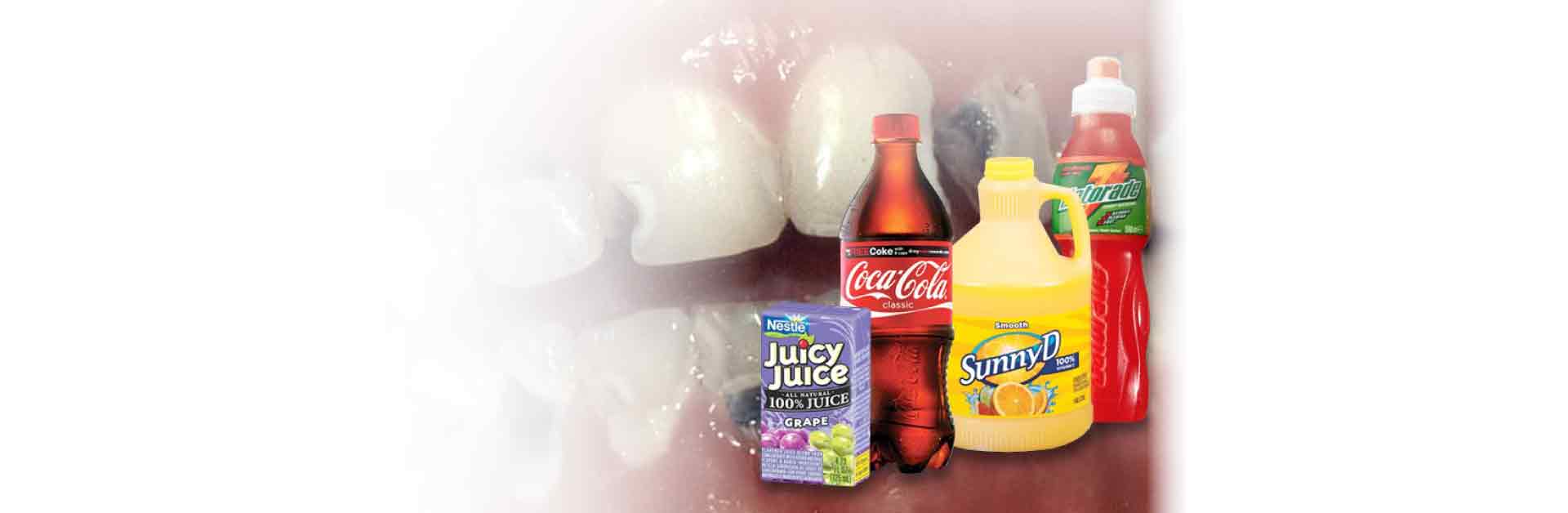
The drinks & foods you consume every day play a major role in your oral health. While some choices help keep teeth strong, others can increase the risk of cavities, enamel erosion, tooth decay, and gum disease. Understanding which foods and beverages can harm your teeth is an important step toward maintaining a healthy, confident smile.
Many popular snacks and drinks may seem harmless, but they can have a lasting impact on your dental health. Sugary treats, soft drinks, sports beverages, and even certain acidic foods can weaken tooth enamel and create an environment where harmful bacteria thrive. Over time, these habits can lead to costly dental problems and discomfort.
The good news is that making informed choices can help protect your teeth and gums. By learning which foods and drinks pose the greatest risks—and how to enjoy them in moderation—you can reduce your chances of dental damage and support a lifetime of healthy smiles. Let’s take a closer look at how your everyday diet affects your oral health and which foods and beverages deserve extra attention.
The impact of sweets on your teeth
Sweet treats may be delicious, but they can take a serious toll on your oral health. Sugar is one of the leading causes of tooth decay because it feeds the bacteria that naturally live in your mouth. As these bacteria break down sugar, they produce acids that attack tooth enamel—the hard, protective outer layer of your teeth. Over time, repeated acid attacks can lead to cavities, enamel erosion, and other dental problems.
Some of the biggest offenders include candy, cookies, cakes, pastries, and sugary beverages like soda. Sticky sweets such as caramels, taffy, and gummy candies can be especially harmful because they cling to teeth and remain in the mouth longer, giving cavity-causing bacteria more time to produce damaging acids.
It’s also important to watch for hidden sugars in foods that may seem healthy. Breakfast cereals, granola bars, flavored yogurts, sports drinks, and even some fruit snacks can contain surprisingly high amounts of added sugar. Checking nutrition labels can help you make more tooth-friendly choices.
To protect your smile while still enjoying occasional treats:
- Rinse your mouth with water after eating sugary foods or drinking sweet beverages.
- Limit the frequency of sugary snacks throughout the day.
- Choose sugar-free alternatives when possible.
- Maintain a consistent oral hygiene routine by brushing twice a day and flossing daily.
- Schedule regular dental checkups and cleanings to catch potential issues early.
Enjoying sugary foods in moderation and practicing good oral hygiene can help reduce their impact on your teeth and keep your smile healthy for years to come.
Avoid acidic drinks and food
While sugar often gets the most attention, acidic foods and drinks can also pose a significant threat to your oral health. Acids gradually wear away tooth enamel, the hard outer layer that protects your teeth from decay and sensitivity. Unlike other tissues in the body, enamel cannot regenerate once it has been lost, making prevention especially important.
Many everyday foods and beverages are surprisingly acidic. Citrus fruits such as lemons, oranges, grapefruits, and limes are nutritious but can contribute to enamel erosion when consumed frequently. Acidic drinks—including fruit juices, lemonade, sports drinks, soda, and wine—can have a similar effect. Even certain condiments, salad dressings, and sauces made with vinegar may expose teeth to harmful acids.
Fortunately, a few simple habits can help reduce the impact of acidic foods and beverages:
- Drink water during and after meals to help rinse away acids and restore a healthier pH balance in your mouth.
- Consider drinking milk with meals, as it contains calcium and other minerals that support strong teeth.
- Use a straw when consuming acidic beverages to limit direct contact with your teeth.
- Wait at least 30 minutes before brushing after eating or drinking acidic items, as enamel is temporarily softened and more vulnerable to damage.
- Choose lower-acid fruits, such as bananas, melons, or pears, when possible.
You don’t have to eliminate acidic foods from your diet to protect your smile. By enjoying them in moderation and following a few tooth-friendly habits, you can help preserve your enamel and keep your teeth strong, healthy, and protected for years to come.
Hidden Dental Dangers in Everyday Snacks
Not all threats to your teeth come from obvious sweets. Many everyday snacks can contribute to tooth decay, often in ways that aren’t immediately apparent. Understanding how common snack foods affect your oral health can help you make smarter choices for your smile.
One of the biggest concerns is refined carbohydrates. Foods like crackers, chips, pretzels, and white bread break down quickly into simple sugars in the mouth. These sugars feed harmful bacteria that produce acids, which can gradually weaken tooth enamel and increase the risk of cavities.
Sticky snacks can be especially problematic. Dried fruits, fruit snacks, chewy granola bars, and gummy candies tend to cling to the surfaces of teeth and linger in hard-to-reach areas. The longer these foods remain in contact with your teeth, the more opportunity cavity-causing bacteria have to produce damaging acids.
Even snacks that appear healthy may contain hidden sugars. Many granola bars, flavored yogurts, trail mixes, and protein bars are loaded with added sweeteners that can contribute to tooth decay. Reading nutrition labels can help you identify products with lower sugar content and make more tooth-friendly choices.
Some crunchy snacks can create problems as well. Popcorn hulls, for example, may become trapped between teeth or beneath the gumline, causing irritation and creating spaces where bacteria can accumulate if not removed promptly.
To make snacking healthier for your teeth:
- Choose fresh fruits, vegetables, cheese, nuts, or plain yogurt when possible.
- Limit frequent snacking throughout the day to give your teeth time to recover from acid exposure.
- Drink water after snacks to help rinse away food particles and bacteria.
- Floss daily to remove debris that can become trapped between teeth.
- Check nutrition labels for added sugars and choose lower-sugar options whenever possible.
Making thoughtful snack choices can help reduce your risk of cavities and enamel erosion while supporting better overall oral health. Small changes to your daily eating habits can make a big difference in keeping your smile healthy and strong.
The good news is that not all snacks are bad for your teeth. Choosing nutrient-rich, low-sugar options can help satisfy hunger while supporting strong teeth and healthy gums. Making smart snack choices is one of the easiest ways to protect your oral health throughout the day.
Here are some of the best snacks for a healthy smile:
- Fresh Fruits and Vegetables
Crunchy fruits and vegetables such as apples, carrots, celery, and cucumbers are excellent choices. Their high water content helps rinse away food particles, while their crunchy texture can stimulate saliva production and naturally clean tooth surfaces. - Cheese and Plain Yogurt
Dairy products are rich in calcium, phosphorus, and protein—nutrients that help strengthen tooth enamel. Cheese also stimulates saliva flow, which helps neutralize acids and protect teeth from decay. When choosing yogurt, opt for plain or low-sugar varieties whenever possible. - Nuts and Seeds
Almonds, walnuts, pistachios, and sunflower seeds are packed with healthy fats, protein, vitamins, and minerals. They contain little to no added sugar and provide important nutrients that support overall oral health. - Whole-Grain Snacks
Whole-grain crackers, unsweetened cereals, and air-popped popcorn are better alternatives to highly processed snack foods. Because whole grains are digested more slowly than refined carbohydrates, they are less likely to contribute to rapid sugar spikes that feed harmful oral bacteria. - Water and Unsweetened Beverages
Water is the best drink for your teeth. It helps wash away food debris, dilute acids, and keep your mouth hydrated. Unsweetened herbal teas can also be a good option for staying hydrated without exposing your teeth to added sugars.
Choosing tooth-friendly snacks doesn’t mean sacrificing flavor or convenience. By incorporating more nutrient-rich foods into your daily routine and limiting sugary or acidic options, you can help reduce your risk of cavities, protect your enamel, and keep your smile healthy for years to come.
Protect Your Smile with Smart Food Choices
The foods and beverages you consume every day have a direct impact on your oral health. While sugary and acidic foods can increase the risk of cavities, enamel erosion, and gum disease, many seemingly harmless snacks may also contain hidden ingredients that can harm your teeth. By understanding these risks and choosing tooth-friendly alternatives, you can take an important step toward protecting your smile and improving your overall health.
Healthy eating habits, combined with regular brushing, flossing, and routine dental visits, can help keep your teeth strong and your smile bright for years to come. Small changes to your daily diet can make a big difference in preventing dental problems before they start.
At Sorenson Pediatric Dentistry, we’re committed to helping patients achieve and maintain excellent oral health. Whether you need preventive care, personalized nutrition guidance, or routine dental checkups, our experienced team is here to help. Contact our dentist in Las Vegas today to schedule an appointment and learn more about how your diet can support a healthier, happier smile.
The drinks & foods you consume every day play a major role in your oral health.

If you have any other questions and/or would like to schedule an appointment for your child, click here or call us: 702-586-4347
Call us and schedule your child’s appointment today: (702)586-4347

Pacifier Use and Thumb Sucking
Pacifier Use, Thumb Sucking and Finger sucking What can happen...
Read More
9 Tips for keeping your kids teeth healthy During Halloween
9 Tips for keeping your kids teeth healthy During Halloween...
Read More
When do baby teeth come in and when do they fall out?
In this article you will find: Chart of when your...
Read More